
Social Support for Vulnerable Populations
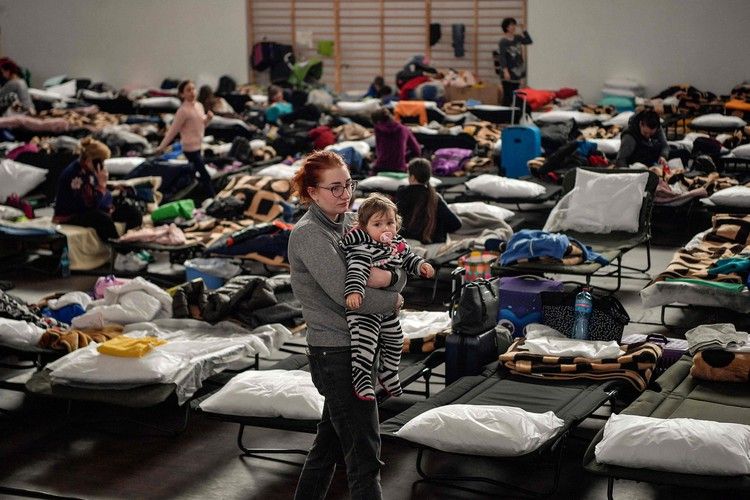
In modern society, supporting vulnerable populations remains one of the most important priorities of social policy. These groups include people with disabilities, older adults, low-income families, internally displaced persons, large families, and individuals facing difficult life circumstances.
Social support involves not only providing financial assistance but also creating conditions that enable people to participate fully in community life. Government programs, non-governmental organizations, and volunteer initiatives all play a crucial role in this process. Through their combined efforts, thousands of people gain access to education, healthcare services, psychological support, and employment opportunities.
One of the key challenges remains the lack of public awareness about available forms of assistance. Many individuals are unaware of the benefits, services, and support programs they are entitled to receive. For this reason, the media plays an essential role in informing citizens about available resources and highlighting successful examples of social inclusion.
Experts emphasize that effective social policy should focus not only on addressing the consequences of poverty and social exclusion but also on tackling their root causes. Investments in education, accessible infrastructure, and local community development contribute to building a more inclusive and equitable society.
Supporting vulnerable populations is a shared responsibility of governments, civil society organizations, and individual citizens. Only through collective efforts can we create an environment where every person feels protected, valued, and provided with equal opportunities for growth and development.