
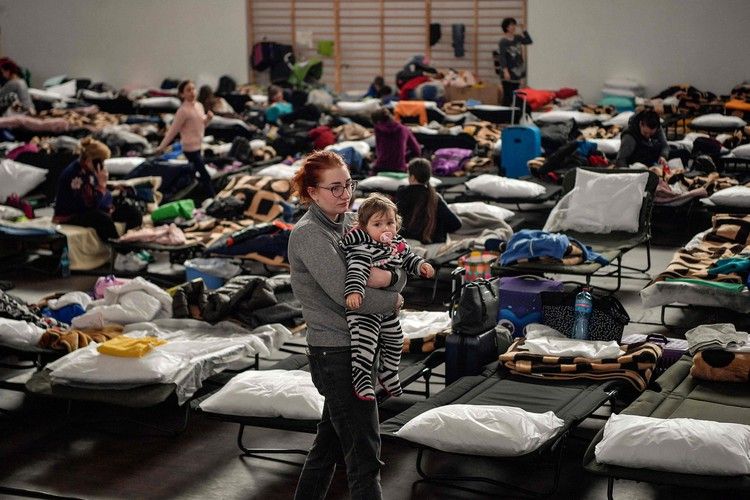
Poverty in Ukraine: The Impact of Economic Challenges on Vulnerable Communities
Poverty remains one of the most significant social challenges in Ukraine. The economic consequences of war, forced displacement, and the rising cost of living have had a substantial impact on the well-being of millions of citizens.
According to the World Bank, poverty levels in Ukraine increased significantly following the start of the full-scale invasion. In 2023, approximately 29% of the population lived below the poverty line, compared to a much lower rate before the war. Experts note that older adults, large families, people with disabilities, and the unemployed face the highest risk of financial hardship.
Rising prices for food, utilities, and medications have been particularly challenging for low-income households. According to estimates by the United Nations Development Programme (UNDP), many Ukrainian families have been forced to reduce spending on leisure activities, clothing, and even healthcare in order to meet their basic needs.
To address the consequences of poverty, Ukraine has implemented social assistance programs, subsidies, and international humanitarian initiatives. In addition, charitable organizations play a crucial role by providing food packages, financial aid, and advisory services to those in need.
Experts emphasize that long-term solutions to poverty require more than social benefits alone. Creating new jobs, supporting small businesses, and investing in local community development are essential steps toward sustainable economic recovery. Economic stability is a key factor in improving quality of life and supporting the country’s reconstruction.
Despite these challenges, Ukrainian society continues to demonstrate resilience and solidarity. The combined efforts of government institutions, international partners, charitable organizations, and local communities help thousands of people overcome difficulties and maintain hope for the future.