
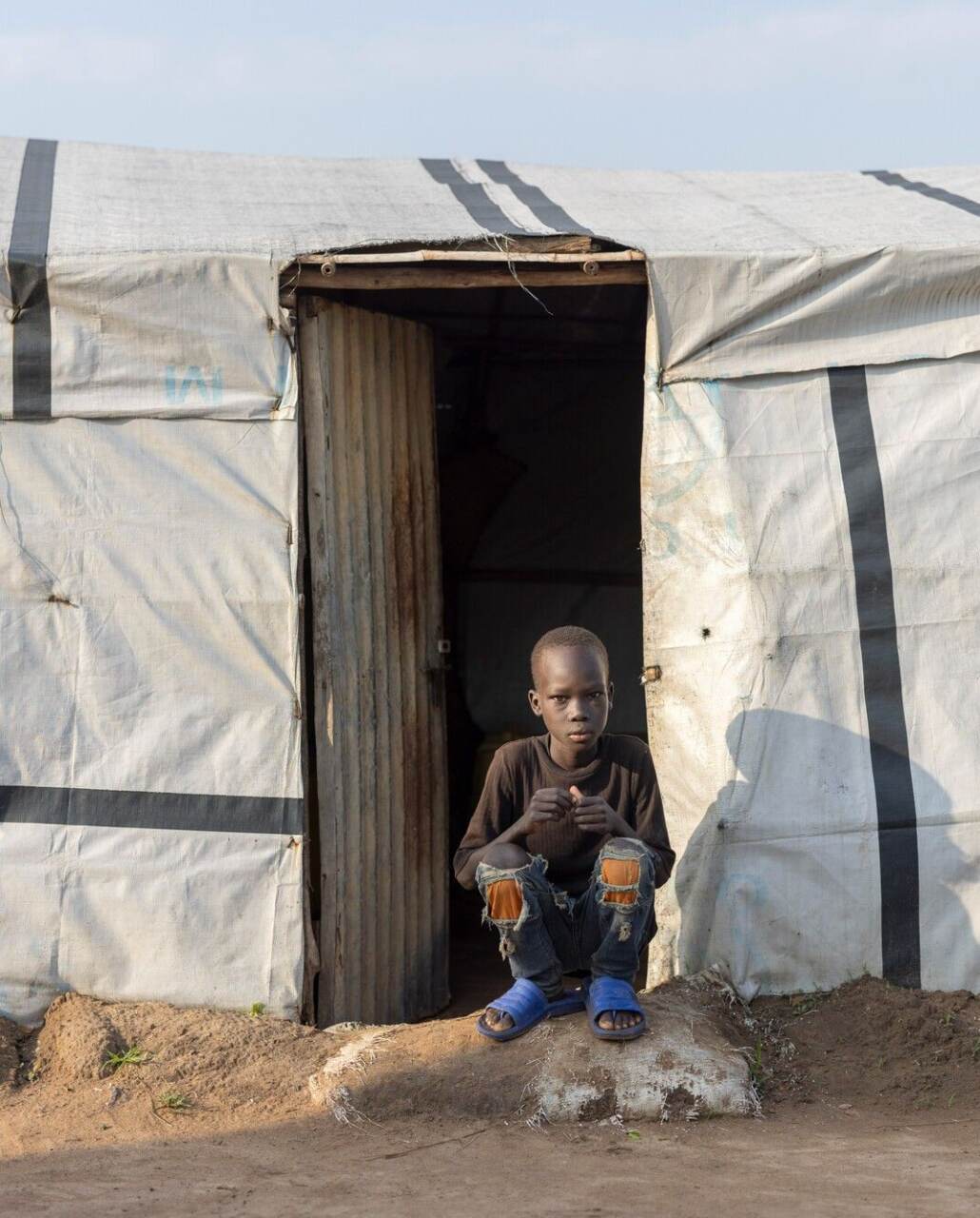
Children in Humanitarian Crisis Zones: Why Support Remains Critically Important
Children are among the most vulnerable groups affected by humanitarian crises. Armed conflicts, displacement, poverty, and disruptions to essential services can have long-lasting effects on their physical and emotional well-being. Around the world, millions of children continue to face challenges that threaten their safety, education, and future opportunities.
According to UNICEF, hundreds of millions of children live in countries affected by conflict, natural disasters, or other humanitarian emergencies. Many of them experience interruptions in education, limited access to healthcare, and increased risks of exploitation and violence. These challenges often have consequences that extend far beyond the immediate crisis.
Education is one of the areas most heavily impacted during emergencies. Schools may be damaged, closed, or used for other purposes, leaving children without a safe learning environment. Access to education is essential not only for academic development but also for providing stability, social interaction, and emotional support during difficult times.
Mental health is another critical concern. Exposure to violence, displacement, and uncertainty can lead to anxiety, stress, and trauma. Psychologists emphasize that children who receive timely psychosocial support are more likely to recover and adapt successfully to challenging circumstances. Community programs, counseling services, and child-friendly spaces play a vital role in helping young people cope with these experiences.
Humanitarian organizations continue to provide food, clean water, healthcare, educational resources, and protection services to children in crisis-affected areas. However, the scale of humanitarian needs remains significant, and many communities require ongoing support to ensure that children can grow up in safe and healthy environments.
Investing in children during humanitarian crises is not only a moral responsibility but also an investment in the future. By protecting children’s rights and ensuring access to education, healthcare, and emotional support, societies can help create opportunities for recovery, resilience, and long-term development.
Every child deserves safety, dignity, and the chance to reach their full potential, regardless of the circumstances they face. Continued support from governments, international organizations, and local communities remains essential to achieving this goal.